
Biosimilars
and generics:
How biosimilars and generics can deliver better value for the NHS

Biosimilars and generics
Each year the NHS spends around £19 billion on medicines.
It is essential that this money is spent wisely, to ensure value for both patients and the NHS.
A key way of achieving this is through encouraging the use of biosimilars and generics – both of which form a crucial part of the government's strategy for ensuring we provide value for the health and care system.
So, what are biosimilars and generics? Why do they offer such promise? And what is NICE's role in ensuring they reach patients quickly, while delivering value to the taxpayer?








What are biosimilars?
To explain what biosimilars are, we must first explore biological medicines.
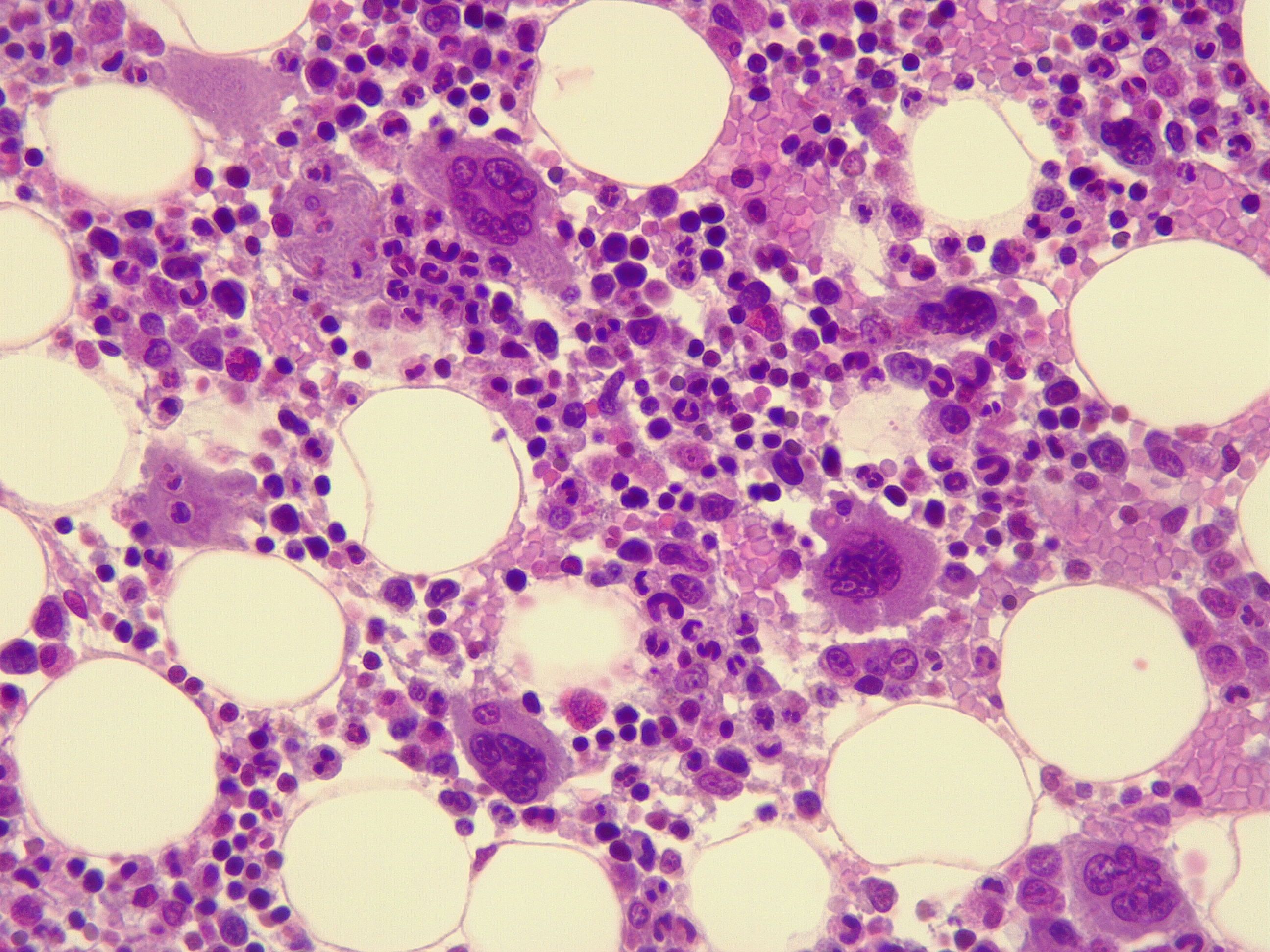
Biological medicines are derived from biological, or living sources such as humans, animals, bacteria, viruses, blood or tissues.
Vaccines, insulins, enzymes and gene therapies are examples of biological medicines.
Biological medicines have been essential in treating and preventing serious diseases. They continue to be among the most effective treatments available for conditions like cancer, diabetes and autoimmune disorders.
Biosimilars are new biological medicines that are developed to be highly similar to existing biological medicines. Examples include insulins for diabetes, hormones and certain drugs for arthritis and cancer.
A biosimilar contains a version of an active substance of an approved biological medicinal product (known as the reference product).
When biosimilars are developed, they undergo rigorous testing to ensure they are similar to their reference products. This makes sure the biosimilars work just as safely and effectively as the original medicine.
How do biosimilars differ from generic medicines?
Generic medicines are much cheaper versions of originally branded products.
They have the same active ingredients as brand name drugs, are taken the same way and have the same effect. They are produced after the patent (the legal protection that prevents other companies from copying a medicine) has expired for a branded medicine.

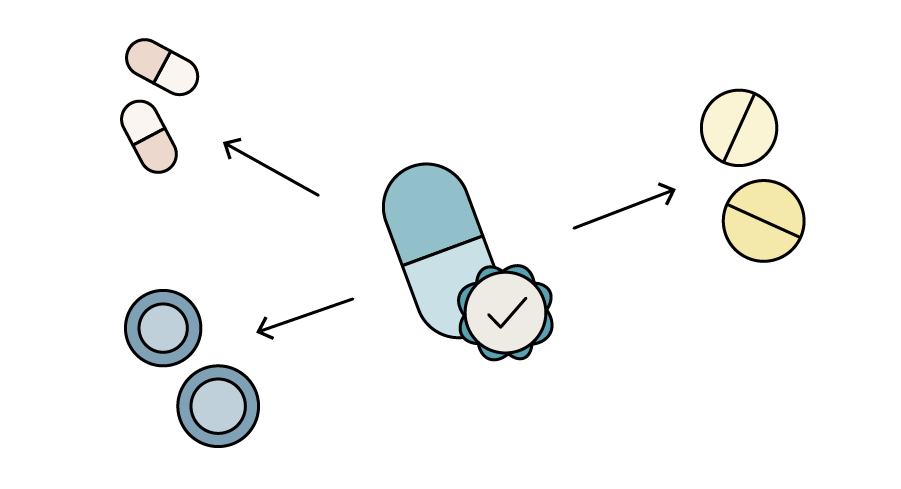
Like biosimilars, generic medicines offer the NHS substantial savings. This is because they don't have expensive research and development costs associated with them, and do not need new clinical trials.
Unlike biosimilars, generics are developed through chemical processes. They are identical to branded drugs in terms of their active ingredients. But they differ in terms of their non-active components, such as their colour or flavour.



Why are biosimilars cost saving?
Biosimilars offer the same clinical outcomes as the original reference product but often at considerably lower prices.
Since their active ingredients have already been proven to be safe and effective, the process for developing them is more streamlined. This means less time and costs for research and development.


NHS England's (NHSE) horizon scanning data identifies that the NHS spends around £1.4 billion on biological medicines, whose patents or market protection are due to expire between now and 2028.
This presents a significant opportunity for the early and widespread adoption of lower-cost biosimilar or generic versions. NHSE estimates this could save the NHS up to £1 billion over five years – enough to fund thousands more operations, treatments and healthcare staff, while maintaining the same quality of care for patients.
What is NICE doing to help introduce biosimilars?
NICE is part of a Biosimilar Joint Strategic Task Force alongside the MHRA and NHSE.
The taskforce is working collaboratively to encourage and enable the market entry of biosimilar medicines in the NHS and to encourage wider adoption.
NICE supports biosimilar use in the NHS, with our guidance already applying to both the reference product biological medicine and its biosimilars, where available. This means when NICE recommends an original biological medicine, that recommendation automatically includes any biosimilar versions – so patients can access them faster.
We also ensure our evaluation methods and processes support the assessment of biosimilars for use in the NHS as quickly and effectively as possible.
In practice, this means we use streamlined processes to approve biosimilar treatments where the reference product has already been recommended by NICE. This helps avoid unnecessary duplication while maintaining rigorous safety and effectiveness standards.
Healthcare professionals can then work with patients to decide whether to use the original biological medicine or a biosimilar, based on clinical need and individual circumstances.

How does this relate to the 10-Year Health Plan for the NHS?
Under the government's 10-Year Health Plan, NICE is developing a whole life-cycle approach to developing its guidance, which will help us stay up to date with best practice.
This means we won’t just assess a new medicine or treatment once and move on. In priority areas we re-evaluate as the evidence grows – including how treatments perform in the real world.
Biosimilars and generics form part of our whole life-cycle approach, which will help the NHS stay up to date with best practice.
We will continually review existing NICE guidance to assess whether access can be widened to cost-effective treatments as new evidence arises.
For example, for medicines where we have not yet been able to make a recommendation for the licensed population, we may update our guidance to recommend a biosimilar or generic. This would increase the number of people that have access to life-improving treatments.
A recent example of this is our recommendation of generics of the prostate cancer drug abiraterone. In 2021, we were unable to recommend abiraterone because it didn’t represent value for money for the NHS.
We reviewed this decision due to the appearance of lower-cost generic versions of abiraterone. This could expand access to 4000 people as well as saving the NHS millions in costs.


Find out more
Read about the Biosimilars Taskforce - a collaboration to help increase the uptake of biosimilars, between NICE the Medicines and Healthcare products Regulatory Agency, NHS England and Department for Health and Social Care
NICE guidance on
biosimilars and generics
Aflibercept for untreated diabetic macular oedema
Bevqolva, a biosimilar of bevacizumab, for the treatment of various cancers
 Built with Shorthand