How NICE communicates


The principles that guide our communications

Open and transparent
Responsive and helpful
Protecting reputation
Integral to the business
Responsive and helpful
Protecting reputation
Integral to the business

Engaged senior staff
Listen and seek feedback
Monitor and evaluate
Listen and seek feedback
Monitor and evaluate

What we do

Traditional media
Coverage:
72% positive and 25% neutral
Top 3 media outlets:
BMJ - Daily Mail - Pharma Times
Coverage:
72% positive and 25% neutral
Top 3 media outlets:
BMJ - Daily Mail - Pharma Times

Social media
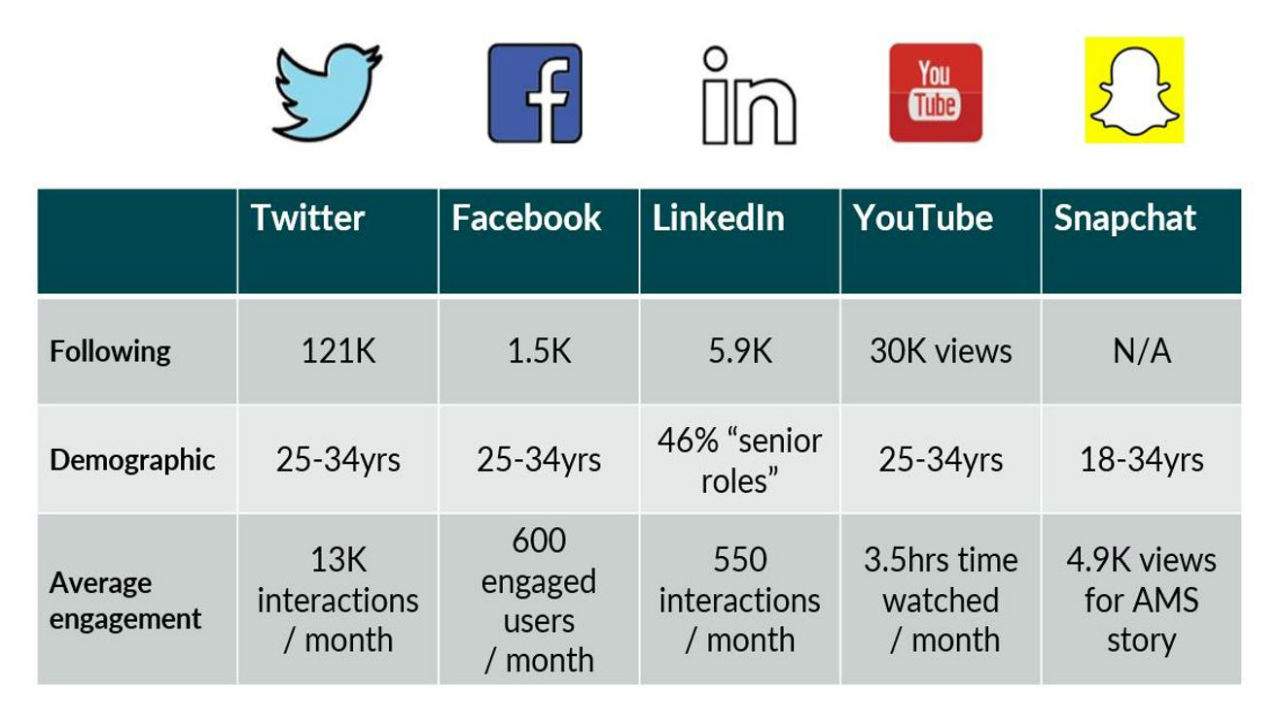
Our audience has grown to over 121,000 followers on Twitter
We’re reaching new and younger audiences on Snapchat
Our videos we produced in 2016 on YouTube saw a near 200% increase in views to 14,400
Our audience has grown to over 121,000 followers on Twitter
We’re reaching new and younger audiences on Snapchat
Our videos we produced in 2016 on YouTube saw a near 200% increase in views to 14,400

Enquiry handling
1,000+ call/emails per month
Increase in questions via social media
1,000+ call/emails per month
Increase in questions via social media

Engagement
Speakers at 160 UK and European conferences
NICE exhibition stand 20+ events
Engaging directly with all our sectors
Speakers at 160 UK and European conferences
NICE exhibition stand 20+ events
Engaging directly with all our sectors
Website
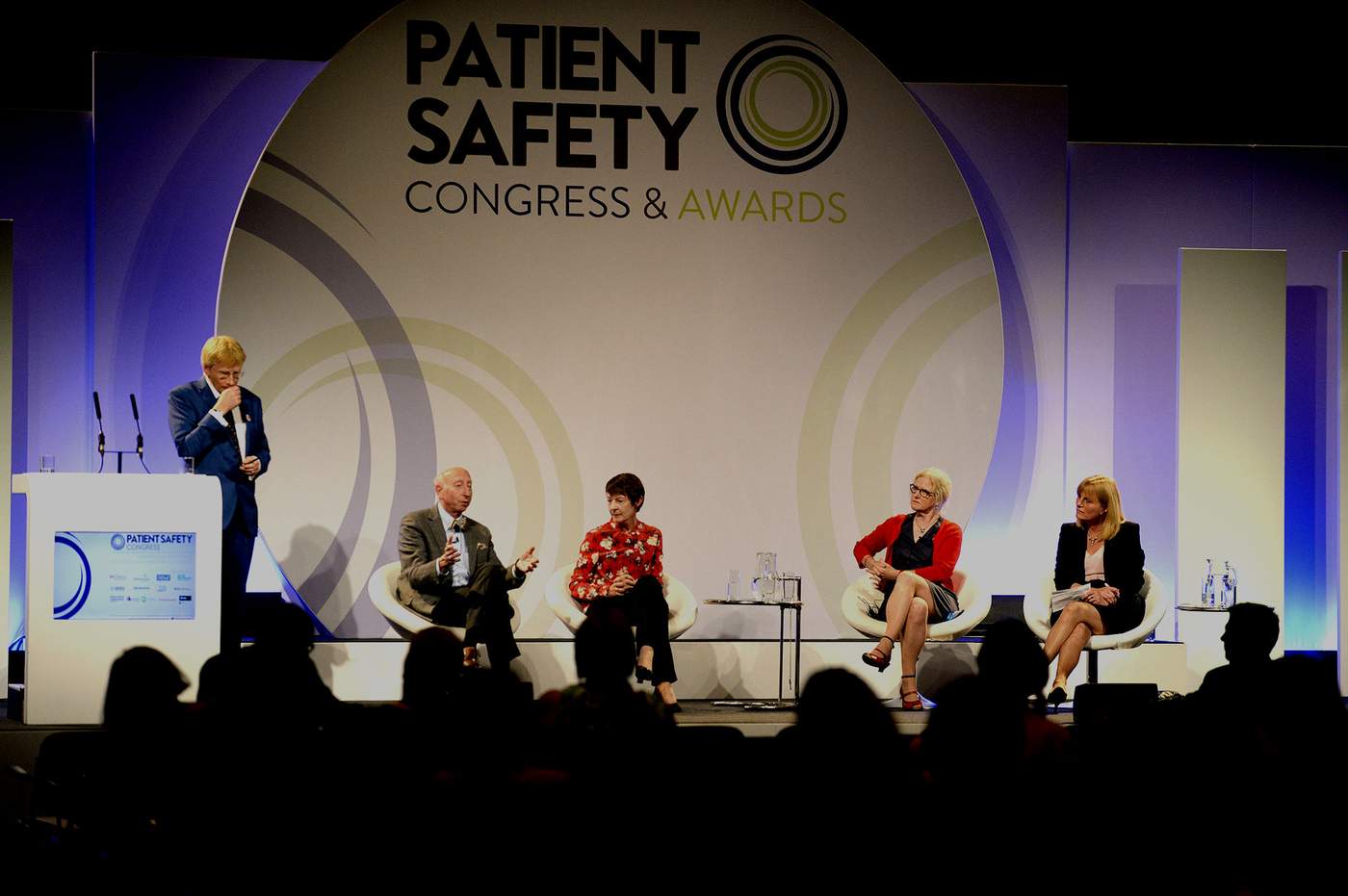
17 million visits across main site
Visits to all of our services - Evidence Search, Pathways, CKS, BNF - totalled more than 44 million visits last year
NICE in top 3 most visited DH-ALB sites (NHS Choices and CQC)
17 million visits across main site
Visits to all of our services - Evidence Search, Pathways, CKS, BNF - totalled more than 44 million visits last year
NICE in top 3 most visited DH-ALB sites (NHS Choices and CQC)
How we're doing
Evaluation and reputation
Evaluation and reputation

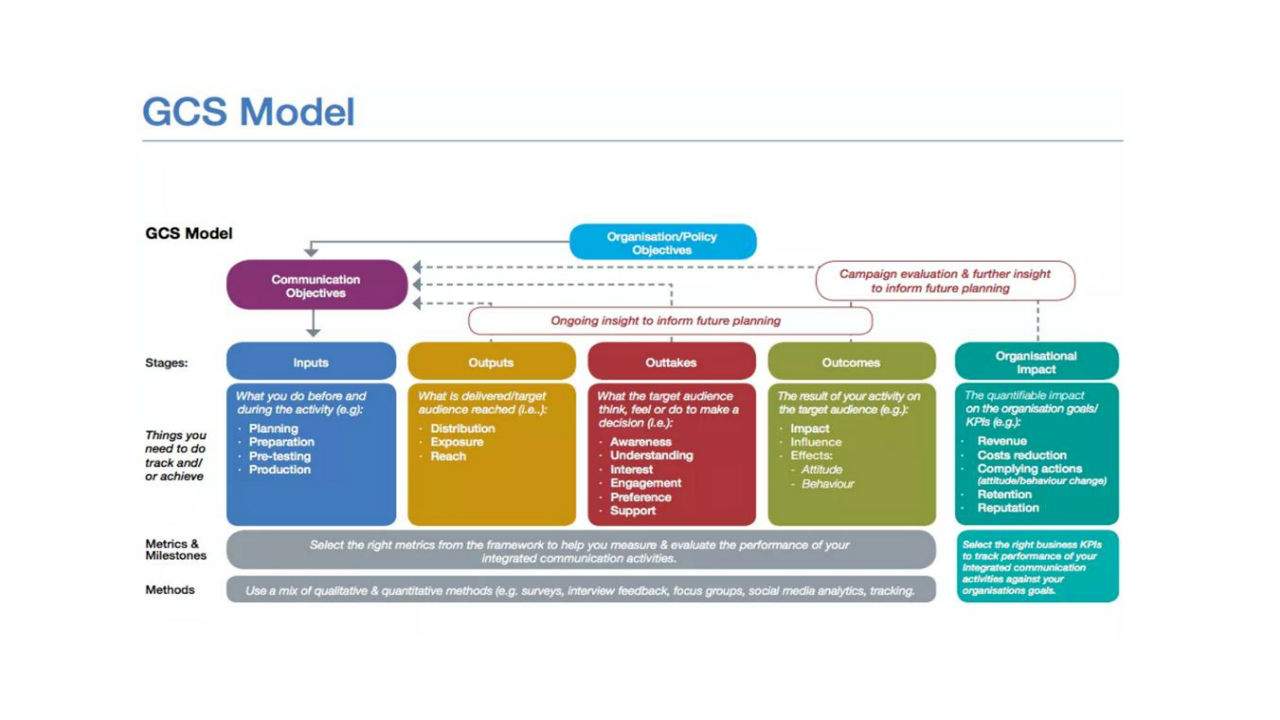
We use the Government Communications Service evaluation framework
2013 NICE reputation survey
Overall the work of NICE is vital, credible, authoritative and rigourous
Some feedback that organisation seen as bureaucratic, rigid, complex and technical
Overall the work of NICE is vital, credible, authoritative and rigourous
Some feedback that organisation seen as bureaucratic, rigid, complex and technical

2017 NICE stakeholder survey
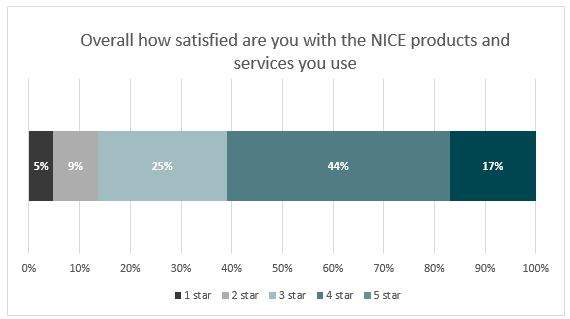
Preliminary results show:
High satisfaction in NICE products and services:
Themes which emerged when respondents were asked to explain their answer:
Positive
Trust in and respect for the organisation
Acknowledgement of the ‘gold standard’ and high quality work
Evidence based
Negative
Concern about the perceived political influence
NICE is too focused on finances and cost effectiveness
Methodological approach is not always suited to social care, mental healthand public health
Unrealistic expectations for implementation that are not feasible incurrent financial climate
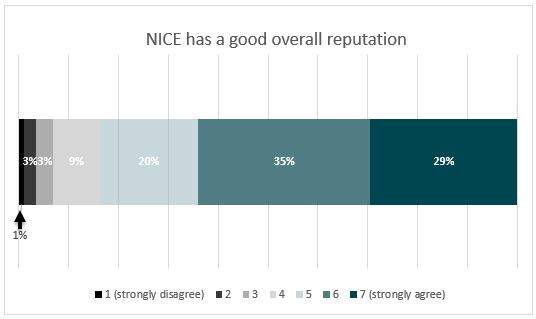
A good overall perception of our reputation:
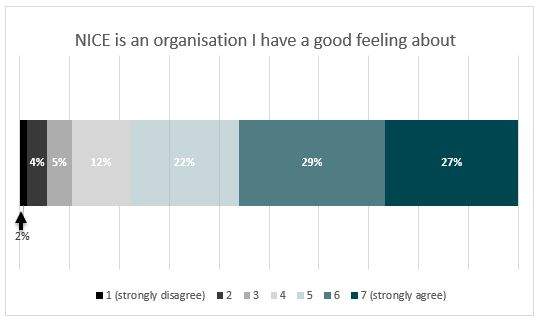
An organisation that people have a good feeling about:
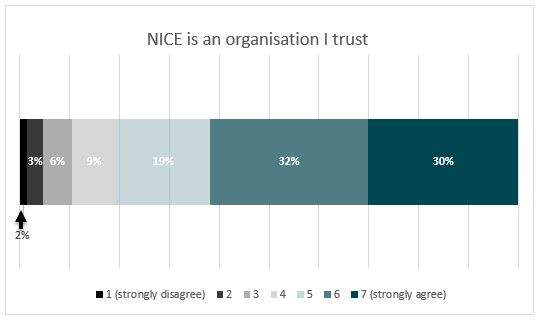
High levels of trust in NICE:
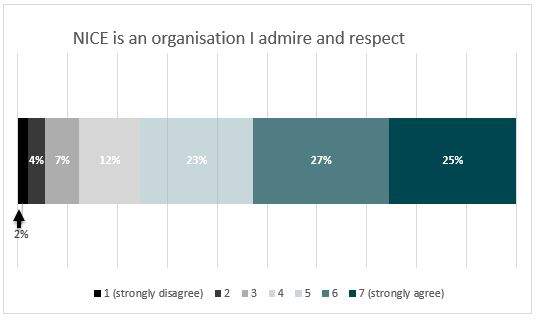
People admire and respect NICE:
CASE STUDY: How healthcare professionals engage NICE online