
"My treatment has completely transformed my life"
How updated asthma guidance
is transforming lives in Dudley


Introduction
A one-stop community clinic is providing earlier diagnosis and preventing hospital admissions for asthma through following updated NICE guidance.
Diagnosing asthma has often required multiple tests and lengthy waits, leaving patients without answers or treatment for months. The recently published NICE guideline has helped streamline this process, giving clinicians a clearer pathway to follow.
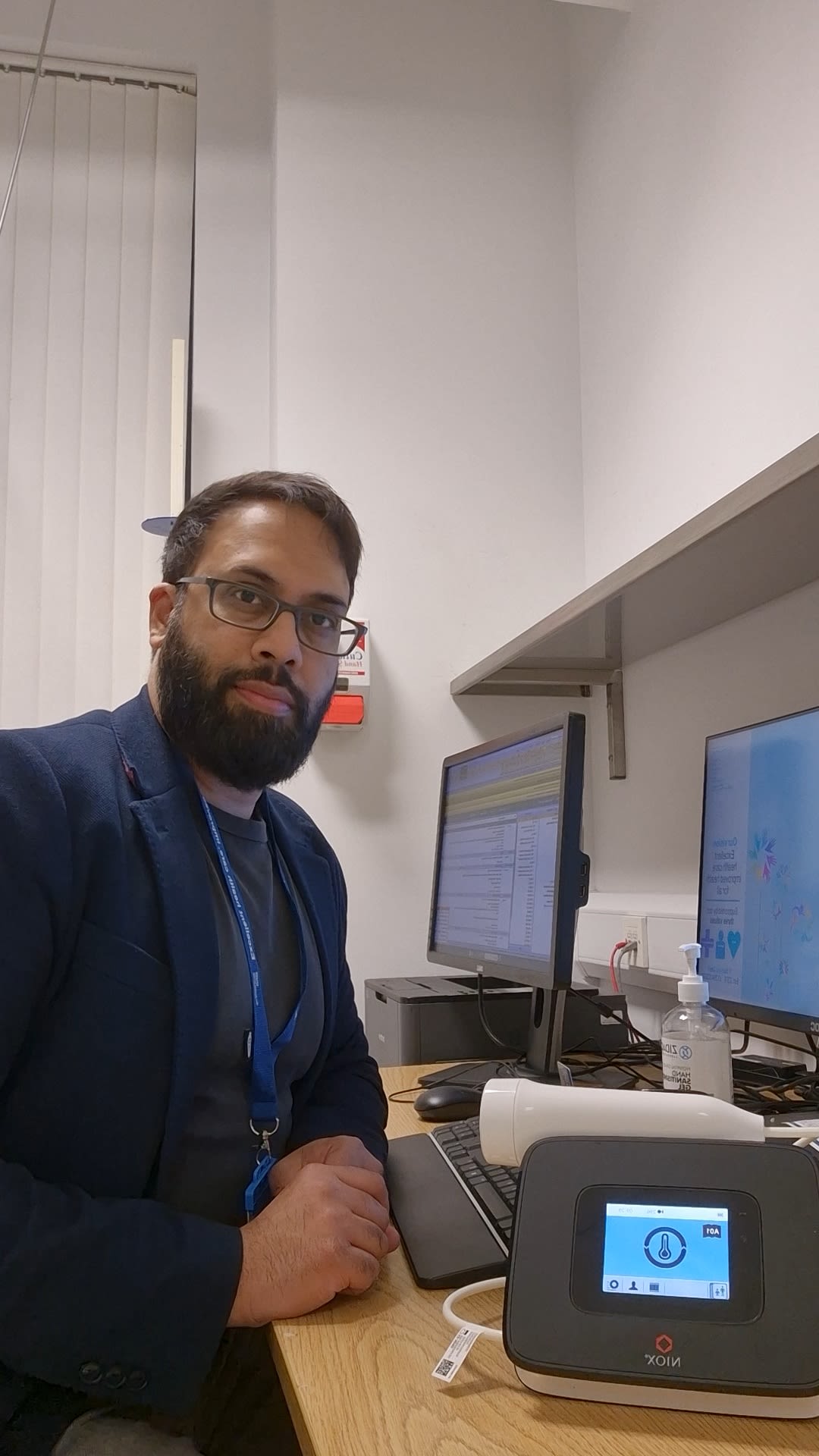
Specialist respiratory pharmacist Nazir Hussain is putting this into practice, demonstrating what's possible when national guidance meets local action.
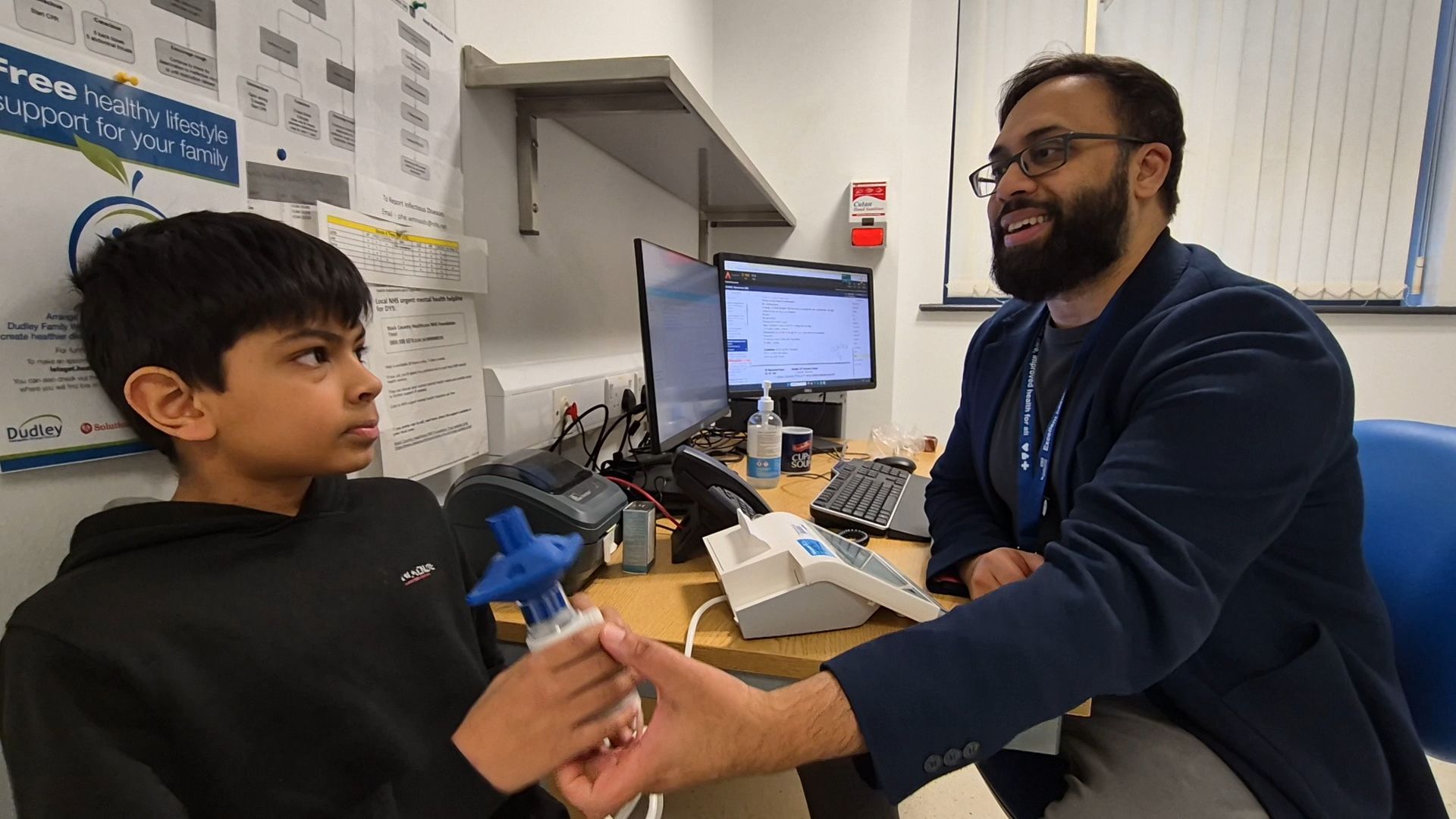
"I came across a child that had missed 80 days of school because of chest problems. They came into my clinic; I diagnosed them there and then and put them on treatment. That made a huge difference to their lives and that's not uncommon."


Context
Collaboration to simplify care across the UK
In November 2024, NICE updated its guidance on asthma, working in collaboration with the British Thoracic Society and the Scottish Intercollegiate Guidelines Network. This resulted in a UK-wide joint guideline on asthma: diagnosis, monitoring and chronic asthma management, accompanied by a digital asthma pathway.
Key updates to the guidance include, using simple tests to diagnose asthma when symptoms first appear and moving away from blue 'reliever’ inhalers towards inhalers that both relieve symptoms and reduce inflammation.
For Nazir, this has been a “gamechanger”.
“The guideline provides an evidence-based backbone and has made things simpler and safer, which will have an impact on [patient] outcomes. Respiratory is very nuanced and diagnosing asthma can be quite challenging. When you add in not getting tests done in a timely way, that can add to poor outcomes for patients. That’s a long-term problem we need to fix.”
Last year, the government published its 10 Year Health Plan, setting out ambitions for the NHS that chart a clear path from reactive care to prevention and from hospital to community. The updated asthma guideline supports both aims, and the Dudley clinic shows what this can look like in practice.

Implementation
A clinic that reaches patients before breaking point
Nazir has implemented a pharmacist-led, one-stop respiratory clinic for children and adults. Supported by a satellite multidisciplinary team, the clinic provides comprehensive diagnosis and treatment support. Nazir also proactively targets high-risk patients: those experiencing frequent hospital admissions, repeated exacerbations requiring oral steroids, or those receiving inhaler treatment without a confirmed diagnosis and also patients with over reliant on reliever inhalers.
Rather than waiting for patients to reach crisis point or be referred to secondary care, the clinic intervenes earlier. It offers GPs and nurses a valuable triage resource that keeps patients closer to home while ensuring they receive the right level of care.
Underpinned by NICE guidance, the clinic:
- uses prescribing data to find patients who may have been missed or wrongly diagnosed
- carries out thorough diagnostic tests, including quality-assured spirometry and FeNO assessments
- reviews and supports high-risk groups, such as those with learning disabilities, mental health conditions, or living in care homes
- reviews inhaler technique; offering support, adjusting medications, and managing related health conditions
- runs a Difficult Asthma Clinic that identifies patients with severe asthma
- integrates with hospital services to give patients faster access to specialist treatments
- includes patients and carers in designing and improving the service
- measures progress through patient feedback and service data.




Results

The clinics’ stats are impressive and show improved outcomes for patients:
Referral-to-treatment times have fallen from up to 52 weeks to under 6 weeks.
69% of patients have had inhaler technique errors identified and corrected.
Patient confidence to manage exacerbations has increased from 66% to 99%.
90% of patients referred for difficult to treat symptoms were effectively managed in the clinic, reducing wait times from up to 52 weeks to under 4.
100% of patients rated consultations as either 'excellent' or 'very good'.
"I was really impressed, this service would benefit so many more patients. I feel extremely lucky to have been sorted so promptly and professionally.”
Lessons learned
One size does not fit all
Beyond diagnostic delays, there are wider determinants of lung health that can make management difficult. Factors such as poor-quality housing, low levels of health literacy, where you work and whether you smoke can all play a part in symptom control.
But Nazir believes that his proactive outreach to patients can reduce these health inequalities and empower patients to self-manage their conditions.
“The impact of poor respiratory care is beyond the hospital admissions that we focus on,” he says. Missed days at work or in education, like the child who missed 80 days of school, are examples of this, their problems aren’t captured in hospital statistics, but the impact on their life and education is profound.
Conclusion
Putting the guidance into practice
For the children now back in school and the people no longer struggling to breathe, this approach is already making a difference. Dudley's model shows what's possible when earlier intervention, prevention, and evidence-based guidance come together. To find out more about the updated asthma guidance (NG245) and how to put it into practice, visit the NICE website.
 Built with Shorthand