
NICE values case study: boldly transforming our approach to guidance production


The improving timeliness programme is a big step forward in how we deliver timely, high-quality guidance. It’s an ambitious project with many moving parts that requires continuous action to keep the momentum going through to completion by March 2026.
One of the workstreams focusses on the different processes used for the end-to-end management of our stakeholders across our guidance producing teams - such as how they onboard, communicate, and maintain relationships with them.
This workstream is led by Thomas Feist, project manager in the health technology evaluation appraisals team, who is looking to standardise stakeholder management across medicines, health technology, and guidelines to align our processes, improve ways of working, and reduce waste.
Here, we look at how Thomas's bold leadership, strong decision-making, and appetite for positive change is enabling the team to improve how we serve our stakeholders and the user experience of our staff who deliver it.



Breaking down barriers
Thomas’s approach to taking bold action on this project involves thoughtful, justified decision-making that challenges the status quo. And its why he was nominated for our NICE Inspire values awards for ‘we act boldly’.
“Being ‘bold’ is something I would define as having the confidence in your skills to make independent decisions,” says Thomas. “Putting yourself out there with a certain level of risk but with a focus on improvement.
“You may make an improvement that is not noticed or is silently accepted. This should be a sign to you that you have done something right.”
Thomas leads by encouraging his team to question assumptions, understand acceptable risk, and recognise that waiting for perfection can stall progress. “Most ideas have pros and cons,” he continues, “but we should not halt progress because of a minor potential con.”

Creating a culture of confidence
Thomas appreciates that approval processes are helpful and necessary, but having excessive oversight on smaller details can slow things down. Thomas responds to this by encouraging his team to be confident in their strengths and expertise. “We should not assume someone will not approve of our actions if we have not heard this directly. We should trust our own expertise and feel empowered to act.”
By creating an environment where hierarchy is flat, and every team member’s contribution is valued, Thomas has given space for ideas to flourish and innovation to thrive, nurturing a culture of collaboration and creativity.
“We have a positive atmosphere which is only possible because of the other great team members!” smiles Thomas.



Impact and future focus
Supported and encouraged by Thomas, the project team is making significant progress towards their aim of better managing and interacting with our stakeholders.
“Understanding your strengths and expertise as well as the potential impact of your actions can help give confidence to put something out there,” he says.
Adopting this attitude, the team has recently completed a major milestone to gather baseline data, define requirements, and map out key process areas- a crucial step in taking the workstream on to the next stages of developing an effective contact management platform.



Leading change through innovation
Working alongside co-lead Emily Richards, project manager with the health technology evaluation appraisal team, Thomas is working to streamline processes, reduce manual tasks, and retire outdated planning tools.
It’s a large-scale, cross-directorate project which we’ve approached in partnership with the Institute for Healthcare Improvement further enabled by the continuous quality improvement (CQI) team’s model for improvement.
Early in this workstream, Thomas’s team recognised the complexity of stakeholder management and conducted research to determine where efforts would be most effective.
Their research revealed that 80% of our stakeholder management efforts are dedicated to communications, relationship management, and identification. Consequently, much of their work is focused on enhancing our approach in these areas to achieve better outcomes.



Everyone can do it
For those looking to act more boldly in their roles, Thomas offers this advice:
“Without taking bold action, it can be easy to remain in status quo and end up with processes that have not changed in years or even decades.”
“If you think you have a great idea, run with it and see what happens. Think about what is the worst that can realistically happen. You can always revert if it does not work, but more often than not, it does!”

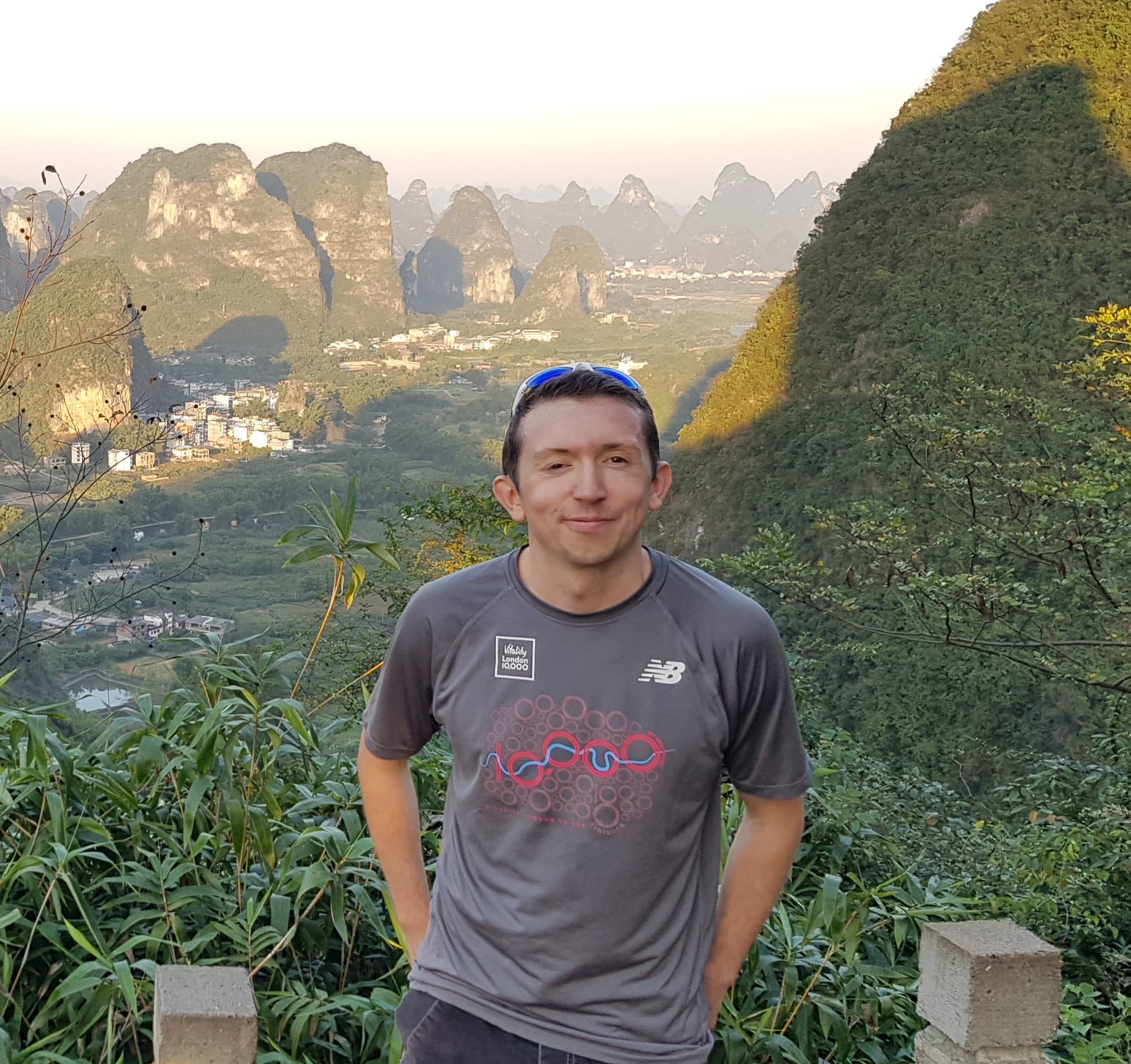
Thomas Feist, NICE Inspire awards nominee
Thomas Feist, NICE Inspire awards nominee



 Built with Shorthand