
Strengthening stakeholder management to improve the timeliness of our guidance
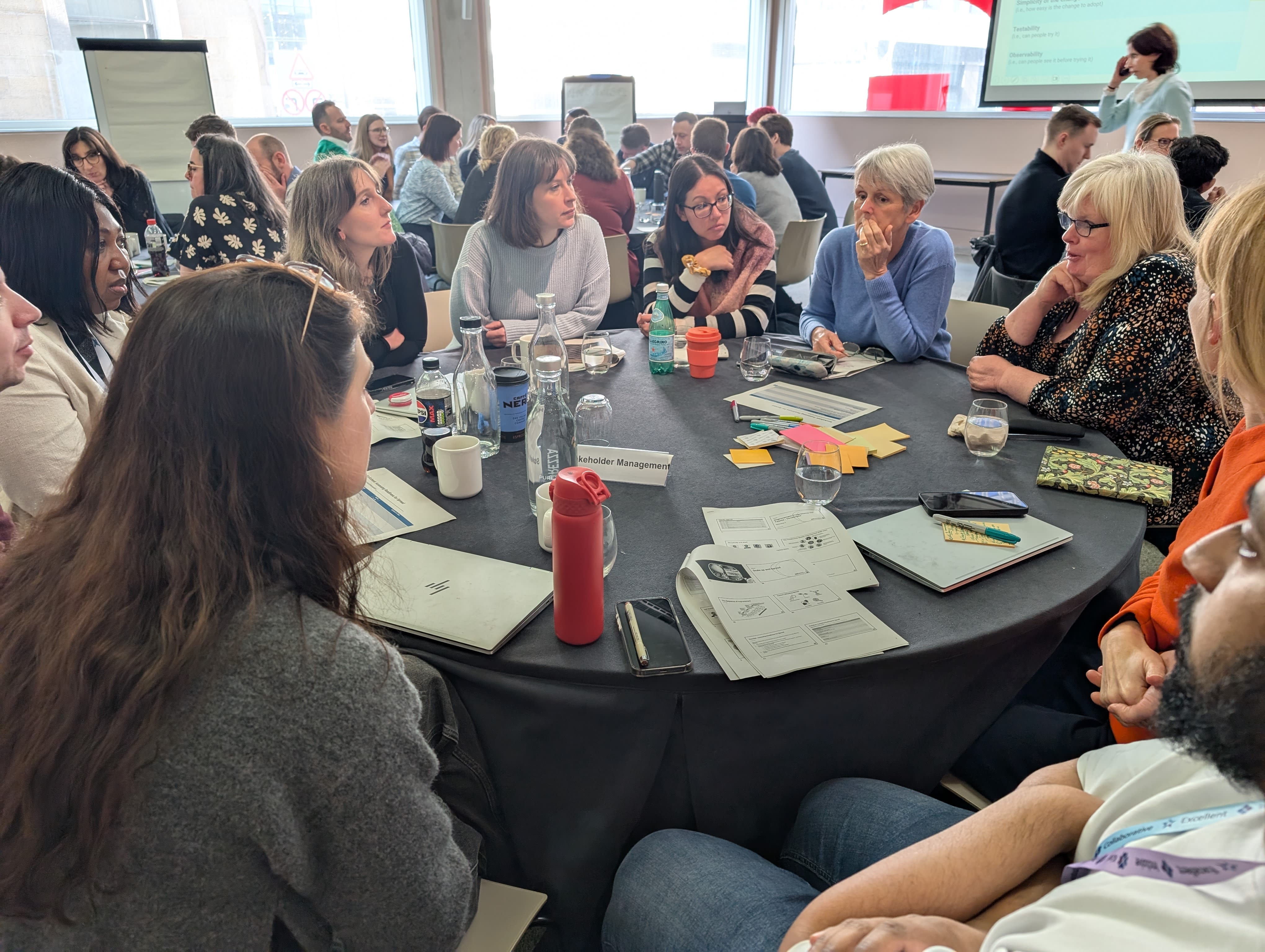

Imagine calling a practitioner about a project who says they would love to help, but that they are retiring soon so they are unable to take part. They also mention that they shared the same update with another team weeks earlier and they wonder why the message has not been passed on. You apologise that this information has not been shared, but both you and the practitioner leave the discussion feeling frustrated for the unnecessary confusion.



Finding the gaps
Issues like this happen because stakeholder information like names, email addresses, and telephone numbers, is scattered across NICE. Individual teams manage their own stakeholder information across various applications like spreadsheets, emails, and other local systems they’ve developed over time. This means there is no single source of truth for stakeholder records, and we have variation in the quality of data.
Frustratingly, this leads to teams spending extra time searching for or verifying information when dealing with our stakeholders, with some even resorting to working around the issue with tools. For us this duplicates effort and slows processes down significantly, and for our stakeholders, this can lead to inconsistent experiences with us that undermine the trust and reputation we work so hard to maintain.
Understanding the needs of our users is integral to achieving our strategic ambition of producing timely and high quality guidance. This includes both the stakeholders who help create it, and the people who benefit from it.
Here, we share more about how our timeliness programme team is taking on these challenges through the introduction of a new stakeholder management approach that that integrates stakeholders more centrally into the guidance production process.



Focussing on our stakeholders first
The improving timeliness programme is acting boldly to move us from fragmented interactions, processes, and tools to a shared suite of applications. This centralised approach makes it easier for us to understand, communicate, and align on how we work with our stakeholders individually and across NICE.
The newly introduced system allows team members to view a single, authoritative record of each organisation and contact, along with their time‑stamped activity history and related guidance work. Dashboards and reporting tools show patterns across guidance and teams, helping to identify opportunities for earlier and more targeted engagement.
But this is much more than a software rollout. It’s about improving the way we work together in the pursuit of producing timely and high quality guidance across guidelines, HealthTech and medicines.
It’s an ambitious and transformative programme of work, that will bring clear benefits for staff and stakeholders alike:
- Internal management of stakeholder records is quicker, more reliable, and more accurate.
- Stakeholder communication is clearer, more cohesive, and less likely to involve repeated or conflicting requests.
- Guidance research, production and publishing is better coordinated and more consistent.



“The overall flow makes more sense, and the layout feels more intuitive. So far, tasks seem faster to complete, and I expect it will continue to improve efficiency as I use it more”.
Nana Anani, coordinator, HealthTech Directorate.


Collaboration at the core of the solution
With bold aspirations and a go live date set for early in the first quarter of 2026/27, guidance producing and supporting colleagues have had to work with large volumes of data, provide feedback, and adapt to new ways of working very quickly. Despite the challenging deadlines, teams have stepped up and showed remarkable efforts to support the programme while managing existing workloads.
One example has been the migration of stakeholder data for live topics. The teams tackled almost 50,000 records from the 479 live topics scattered across the current collective planning tools.
It has undoubtably been a huge ask for everyone involved and colleagues have worked incredibly hard to support the work. Across the guidance producing centres, DIT, and CQI, we have come together to shape the solutions through training, testing, and feedback. This approach shows that when we work as one team with one purpose, we can collaborate more to achieve more.



Looking ahead
Powered by Microsoft Dataverse, the new system also provides us with a platform to potentially develop an organisation‑wide approach to stakeholder management, opening the door to a scalable solution which can increase efficiencies even further.
In the meantime, we remain committed to listening, learning, and acting on user feedback on the new system, so we can continue to make improvements which serve the needs of both our staff and our stakeholders in the best way possible.
Support and resources
- If you are directly involved with these changes, please visit the planning tools retirement page for more information and to access supporting resources.
- If you want to find out more about the wider improving timeliness programme, please visit the improving timeliness community space.


 Built with Shorthand